Revolver Arena Movement Mastery
Slide, wall run, vault, and climb until peeks feel unfair—in your favor.
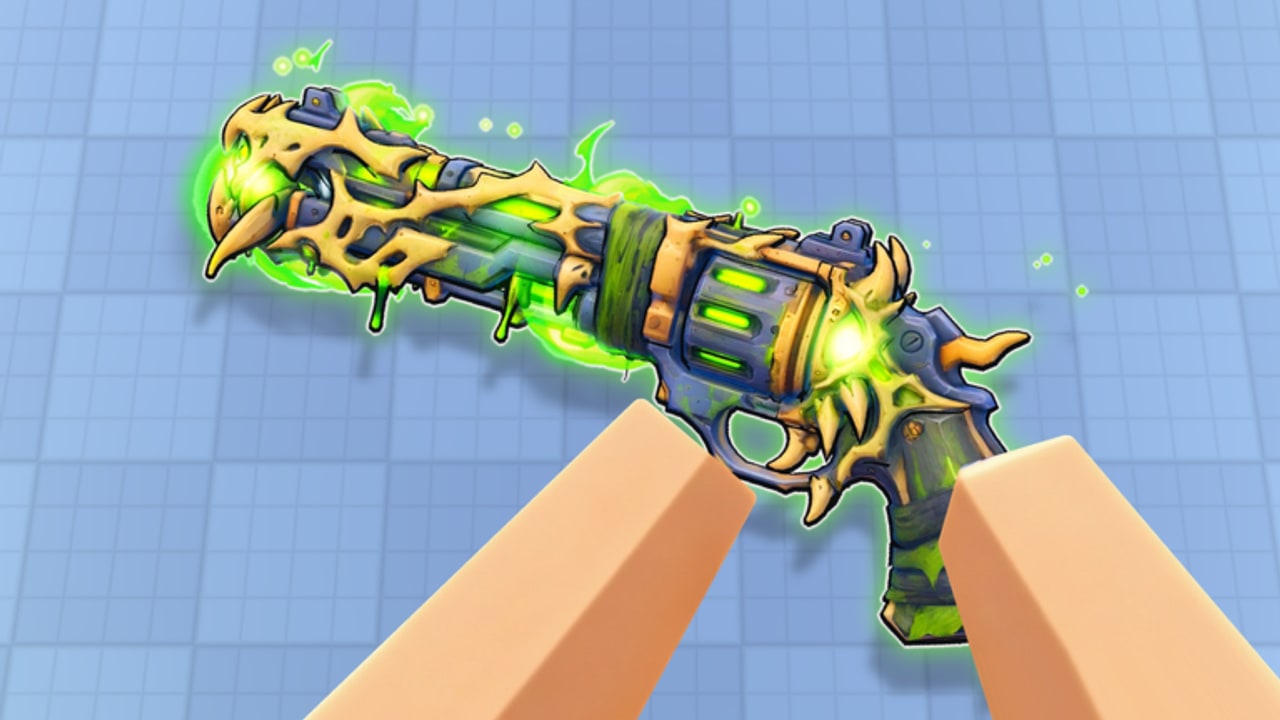
In Revolver Arena, the revolver may be one-shot, but movement decides who takes the first clean angle. demilian’s arena FPS layers slide, wall run, vault, and climb on top of classic shooter strafing. Servers hold eight players, so every silhouette on a wall is information—and every predictable peek is a free elimination for someone who read your path.
This guide assumes you already know shoot, aim, slide, reload, swap, and jump from Controls. If you are brand new, skim Getting Started first. Mode-specific uses appear again in Game Modes.
Why movement beats raw aim alone
A perfect crosshair still loses if you enter the lane standing tall at the same timing every round. Movement:
- Shrinks or shifts your hit profile during peeks.
- Creates unexpected angles from walls and ledges.
- Lets you disengage after a miss before the enemy revolver answers.
- Controls mid-map tempo in FFA and TDM.
- Wins flag carries in CTF when pathing beats hero duels.
Cosmetics never change movement power—skins stay cosmetic per Skins and Cases.
Slide
What it does. Slide accelerates you along the ground, lowers your profile, and sets up chained parkour. On PC use Ctrl or C; on controller use B; on mobile tap your placed slide button.
Offensive slide. Slide from cover into a pre-aimed lane. Start the slide before you expose your head so the enemy tracking lags a frame behind your hurtbox. Exit slide into a stable shot if the angle is clean; do not fire during the noisiest part of the animation if it throws your aim.
Defensive slide. After a miss or a third-party tag, slide break line of sight toward a wall or doorway. Reload only once the wall exists between you and threat—reload rules still apply from Controls.
Slide mistakes. Sliding into open mid with no exit. Sliding past a knifer’s range. Sliding on cooldown habits every single peek so opponents pre-aim the slide exit. Mix standing jiggle peeks with slides so your timing is not a metronome.
Wall run
What it does. Wall run lets you travel along vertical surfaces to bypass floor chokes, appear above common head height, or cross gaps that ground slides cannot clear.
Entry. Approach with speed—often from a slide or sprint—and jump into the wall at a shallow angle. Steep face-first smashes tend to fail or stall. Look slightly along the travel direction, not only at the sky.
Combat wall run. Use short wall runs to change elevation mid-fight, then drop into a shot. Long scenic wall runs across exposed mid are highlight-reel bait; smart players track the wall and free-kill you. Prefer wall segments that end behind cover or onto a vaultable ledge.
Information. Enemy wall runs telegraph intent. If you hear or see a runner on your near wall, pre-aim the exit ledge instead of the floor doorway they skipped.
Vault
What it does. Vault clears low walls, rails, and window lips without a slow clamber that leaves you helpless.
Timing. Jump into the obstacle with forward momentum. Vault is the difference between hopping onto a crate to win a height duel and getting stabbed while stuck on geometry. Practice on the nearest map props until the animation feels boring.
Vault into slide. Vault down from a ledge into a slide to re-enter a lane with speed. Vault up from a slide to surprise someone holding a static angle on the floor path.
Vault fails. Attempting vaults on geometry that is too tall—know when you need climb instead. Vaulting into a pre-aimed revolver with no strafe exit.
Climb
What it does. Climb handles taller ledges and chains where a single vault is not enough. It is slower and more committed than a vault, so treat it like a teleport with a cast time: only climb when the landing is safe or the alternate route is worse.
Safe climb rules. Climb on the quiet side of the map, or when teammates in TDM or CTF are already taking space below you. Do not climb the exact same spotlight ledge every round on FFA—campers learn.
Climb into knife. If you crest a ledge into someone’s model, swap and stab immediately. Revolver hip panic at kiss range loses to a prepared melee more often than players admit.
Combos worth drilling
- Slide → wall run → drop shot angle. Enter wall with slide speed, travel two body lengths, drop before the wall ends, fire.
- Slide → vault cover → reload. Disengage, vault a low wall, reload, re-peek from a new edge.
- Jump → wall run → climb loft. Reach high nests for CTF overwatch or FFA spawn reads.
- Fake slide cancel into jiggle. Start slide timing then abort into a short strafe peek to punish pre-aimers.
- Wall run escape → swap knife. When someone chases your landing, greet them with melee instead of a panicked cylinder.
Drill these in live matches for five minutes before “serious” queues—see the warm-up spirit on Controls.
Mode-by-mode movement notes
| Mode | Movement priority |
|---|---|
| Free For All | Unpredictable peeks; never repeat the same wall twice in a row |
| Team Deathmatch | Move with trades in mind; do not wall-run away from your teammate’s angle |
| Capture the Flag | Fast, safe pathing beats flashy mid air time while carrying |
| Gun Game | Movement buys time when the current gun feels awkward |
Expand each mode on Game Modes.
Map voting and movement homework
When the lobby votes maps, prefer one you have already labeled with:
- Two slide peek lanes.
- One reliable wall-run bypass.
- One vault reload cubby.
- One climb nest that is not completely exposed.
Add a new map label each session instead of randomizing forever. Patch changes to geometry or tech will show up on Updates.
Training plan (one week)
Days 1–2: Slide peeks only. Count how often you reload in the open (goal: zero). Days 3–4: Add vault reloads and one wall-run bypass per life. Day 5: Climb nests for information, not for vanity camping. Weekend: Full combos in FFA, then apply safer pathing in CTF.
Track long-term improvement with kills and wins on Players leaderboard context, but do not confuse a hot streak with finished fundamentals. Daily quests and levels on Arena Pass still progress while you train movement—use them. Freebies stay on Codes. Strategy rankings, when relevant, sit on Tier List. Unofficial tooling talk is on Scripts.
Mindset
Movement is a vocabulary. Slide, wall run, vault, and climb are words; matches are sentences. Speak clearly—short, purposeful paths—rather than screaming parkour across mid for no reason. In a one-shot eight-player arena, the quiet player who arrives from an unexpected ledge gets the first shot. Take that first shot.
Frequently Asked Questions
Quick answers for Revolver Arena players.
What movement options exist in Revolver Arena?
Slide, wall run, vault, and climb, plus jump and strafe. Learn slide peeks before long wall-run routes.
Should I wall-run across mid every fight?
No. Long exposed wall runs are easy to track. Use short wall segments that end in cover or a new angle.
When do I vault versus climb?
Vault low obstacles quickly. Climb taller ledges when a vault cannot reach, and only when the landing is reasonably safe.
Does movement differ by mode?
Yes. FFA favors unpredictable peeks; CTF favors safe pathing with the flag; TDM favors moving with trade support.
Do skins make me faster?
No. Skins are cosmetic only. Speed and routes come from your inputs and map knowledge.